

İşe alım dünyasında hız ve verimlilik her şeyin önüne geçiyor. Şirketler binlerce aday arasından doğru kişiyi bulmak için asenkron (tek taraflı) video mülakatları bir kurtarıcı gibi görüyor. Ancak madalyonun diğer yüzünde, adayların bir kameraya karşı "sessizliğe performans sergilediği" ve markanızdan hızla soğuduğu bir gerçeklik yatıyor. Eğer yapay zeka stratejinizi yanlış kurgularsanız, maliyetten tasarruf edeyim derken en büyük varlığınızı, yani işveren markanızı tehlikeye atıyor olabilirsiniz. Bilimsel veriler ve aday deneyimleri, bu "soğuk" teknolojinin şirket imajına nasıl zarar verdiğini net bir şekilde ortaya koyuyor.
Adaylar "sessizliğe performans sergilemekten" yoruluyor
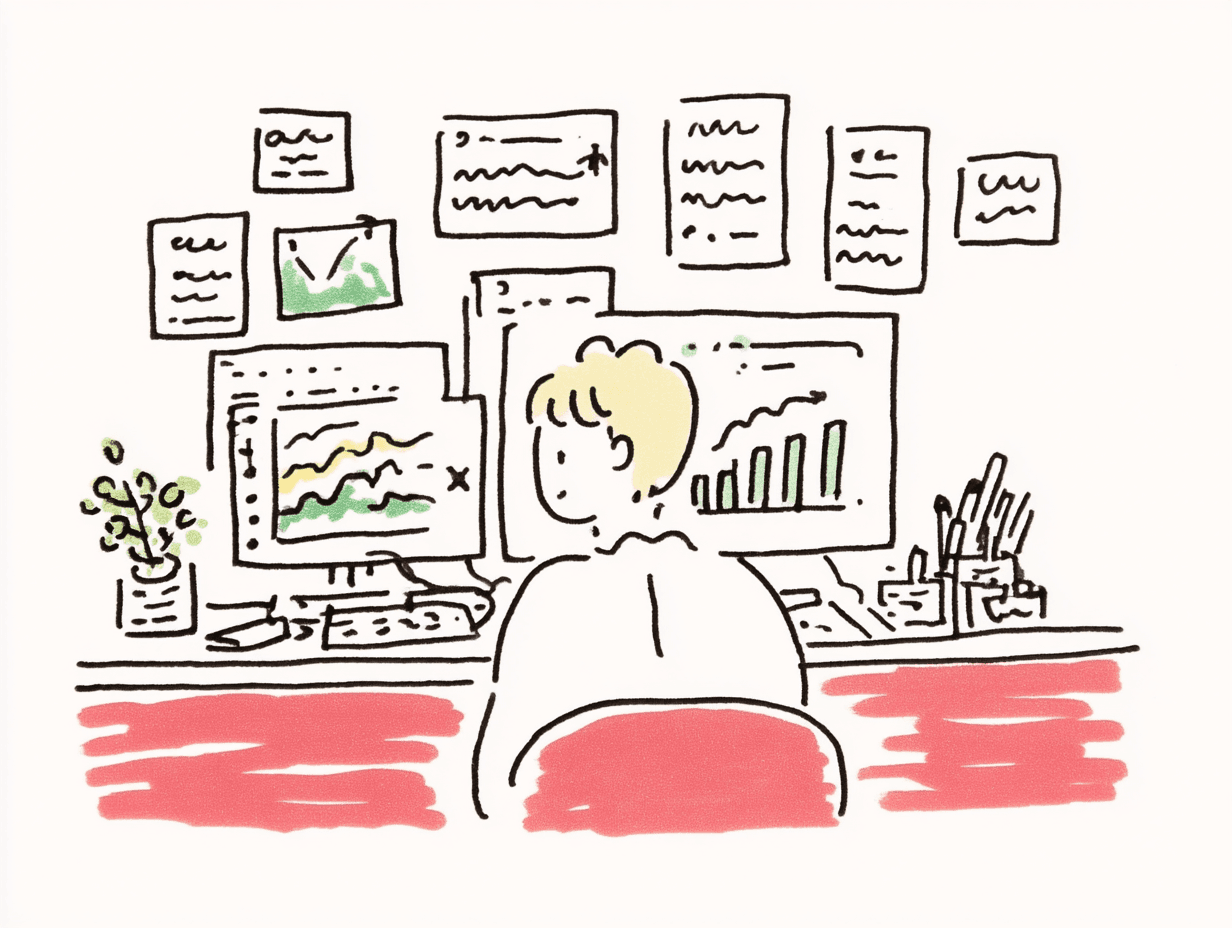
Tek taraflı video mülakatlar, adayın bir ekranda beliren soruyu okuyup kendi videosunu kaydetmesi üzerine kurulu. Ancak bu süreç, adayda derin bir "değersizlik" hissi yaratıyor. Md Nazmus Sakib ve meslektaşları tarafından yürütülen "Experience and Adaptation in AI-mediated Hiring Systems" başlıklı kapsamlı çalışma, adayların bu formatı "mikrofonlu bir güvenlik kamerasına konuşmak" gibi hissettiklerini belirtiyor. Bir katılımcı bu deneyimi "hiçbir tepki, hiçbir varlık yok; sadece ben ve şüphelerim var" diyerek özetliyor (Sakib ve ark., 2018/2024).
Bu durum, adayın kendini değerli bir yetenekten ziyade, sadece bir veri noktası veya bir makinenin dişlisi gibi hissetmesine yol açıyor. Sakib ve ekibi (2018/2024), bu tür etkileşimlerin "insanlıktan çıkarma" (dehumanization) hissini tetiklediğini ve adayların sisteme karşı büyük bir güvensizlik geliştirdiğini vurguluyor. Bir duvara konuşuyormuş gibi hissetmek, en yetenekli adayların bile mülakatı yarıda bırakmasına veya şirketinize dair olumsuz bir algı geliştirmesine neden oluyor.
İşveren markasına verilen hasar rakamlarla kanıtlanıyor
Birçok İK yöneticisi, yapay zeka destekli video mülakatların şirketi "yenilikçi" gösterdiğini düşünüyor. Ancak gerçek bunun tam tersine işaret ediyor. Nicole Jurado (2025) tarafından hazırlanan "The effects of artificial intelligence on shaping employer brand perception" isimli tez çalışması, adayların yapay zeka araçları arasında en çok asenkron video mülakatlardan nefret ettiğini gösteriyor.
Bu araştırmada paylaşılan bazı çarpıcı veriler işin ciddiyetini anlatıyor:
- Adayların bu tür bir mülakat kullanan şirkete başvurma ihtimali sadece %29 seviyesinde kalıyor.
- Yapay zeka mülakatı deneyimi yaşayan adayların %63'ü şirket markasını "negatif" sıfatlarla (soğuk, mekanik, adaletsiz) tanımlıyor.
- Adaylar, video mülakatların kendilerini sadece bir "istatistik" gibi hissettirdiğini ve şirketin insana yatırım yapmaktan kaçındığını düşünüyor (Jurado, 2025).
Özellikle yüksek yetkinlik beklenen rollerde adaylar, kendilerine bir insanın zaman ayırmasını bekliyor. Jurado (2025), mülakat sürecinde insan etkileşiminin tamamen devre dışı bırakılmasının, markanın "profesyonellikten uzak ve tembel" algılanmasına yol açtığını belirtiyor. Eğer adayın harcadığı emeğe şirket sadece bir botla cevap veriyorsa, aday bu durumu "saygısızlık" olarak kodluyor.
Beklenti ihlali teorisi: ChatGPT çağında neden hayal kırıklığı yaşanıyor?
Modern adaylar artık ChatGPT gibi akıllı ve etkileşimli yapay zeka sistemlerine alışkın. Bir şirketin "yapay zeka destekli mülakat" yapacağını duyduğunda, aday doğal olarak karşısında konuşabileceği, soru sorabileceği bir "zekâ" bekliyor. Ancak karşısına sadece video kaydeden statik bir ekran çıktığında büyük bir "beklenti ihlali" (Expectation Violation Theory) yaşıyorlar.
Sakib ve ark. (2018/2024), adayların yapay zeka mülakatçılarının advertised (reklamı yapılan) seviyenin çok altında olduğunu fark ettiklerinde stres seviyelerinin arttığını ortaya koyuyor. Adaylar, "Yapay zeka denmişti ama bu sadece süslenmiş bir kayıt formundan ibaret" diyerek hayal kırıklığına uğruyor. Bu teknolojik uçurum, şirketin teknoloji kullanımını "sahte" veya "yüzeysel" göstererek aday güvenini temelden sarsıyor.
Yapay zeka mülakatlarını "marka dostu" hale getirmenin yolu
Peki, yapay zekayı markanıza zarar vermeden nasıl kullanabilirsiniz? Çözüm, teknolojiyi insanın yerini alan bir engel değil, insanı destekleyen bir köprü olarak konumlandırmakta saklı. Nicole Jurado (2025) ve Jabarian & Henkel (2026) çalışmalarındaki en önemli öneri, "hibrit ve şeffaf" bir model benimsemek üzerine kuruluyor.
İşte markanızı koruyacak stratejik adımlar:
- Asenkron videolardan kaçının: adaylarla gerçek zamanlı veya etkileşimli sesli yapay zeka ajanları aracılığıyla iletişim kurun.
- Şeffaf olun: yapay zekanın hangi aşamada neyi ölçtüğünü adaya mülakat başında açıkça anlatın (Jurado, 2025).
- Geri bildirim verin: yapay zekanın mülakat sırasında "Harika bir örnekti, teşekkürler" gibi motivasyonel tepkiler vermesini sağlayın (Sakib ve ark., 2018/2024).
- İnsan denetimini koruyun: adaya mülakatın sonunda "Bunu bir insan da izleyecek ve değerlendirecek" güvencesini verin.
Jabarian ve Henkel (2026) tarafından yürütülen 70.000 kişilik saha deneyi, yapay zeka sesli ajanlarının insan kaynakları uzmanlarına %60 verimlilik kazandırdığını ancak son kararın mutlaka bir insan tarafından verilmesi gerektiğini vurguluyor. Yapay zeka ilk elemeyi yaparken hızı sağlamalı, ancak mülakatın ruhu olan "bağ kurma" kısmını insan mülakatçılar üstlenmeye devam etmelidir.
Sonuç: Verimlilik empatiyi öldürmemeli
İşveren markası, bir adayın mülakat sürecinde hissettiği duyguların toplamıdır. Eğer adaylarınızı tek taraflı videolarla sessizliğe mahkûm ederseniz, onları sadece elenmiş birer aday değil, markanızın gelecekteki düşmanları haline getirirsiniz. Poenaru ve Diaconescu (2025) araştırmasında belirttiği gibi, etik ve insan merkezli öncelikler Z kuşağı adayları için teknolojinin kendisinden daha önemli.
Şirketiniz için yapay zeka seçerken kendinize şu soruyu sorun: Bu araç mülakatı mı otomatikleştiriyor, yoksa adayla aramdaki bağı mı koparıyor? Doğru yapay zeka mülakat aracı, adayı bir rakama dönüştüren değil; onun hikâyesini dinleyen, ona anlık tepki veren ve onu sürece dahil eden araçtır. En iyi yetenekler sadece işe değil, kendilerini değerli hissettikleri kültürlere başvuruyor.
Kaynakça
- Jabarian, B., & Henkel, L. (2026). Voice AI in Firms: A Natural Field Experiment on Automated Job Interviews. Booth School of Business, University of Chicago.
- Jurado, N. (2025). The effects of artificial intelligence on shaping employer brand perception: insights from entry-level hiring practices. Master Thesis, Universidad Carlos III de Madrid.
- Poenaru, L. F., & Diaconescu, V. (2025). Bridging Technology and Talent: Gen Z's Take on AI in Recruiting and Hiring. Bucharest University of Economic Studies.
- Sakib, M. N., Rayasam, N. M., & Dey, S. (2018/2024). Experience and Adaptation in AI-mediated Hiring Systems: A Combined Analysis of Online Discourse and Interface Design. University of Maryland.
- Lee, B. C., & Kim, B. Y. (2021). Development of an AI-based interview system for remote hiring. International Journal of Advanced Research in Engineering and Technology (IJARET), 12(3), 654-663.