
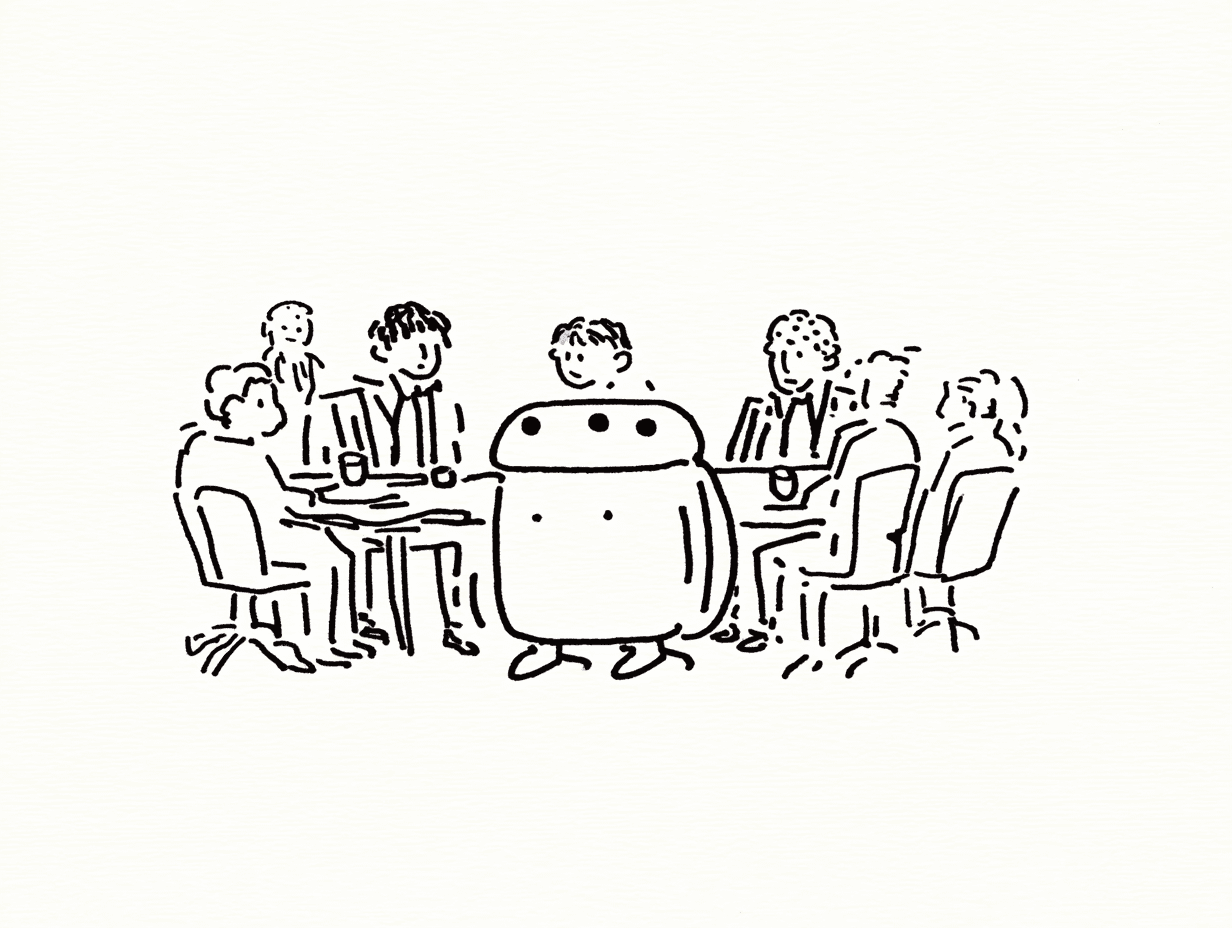
İşe alım dünyası, yapay zekanın entegrasyonuyla birlikte geleneksel sınırlarını aşarak çok daha karmaşık bir ekosisteme dönüşüyor. Bu dönüşüm sadece iş arayanlar ve işverenler arasındaki ilişkiyi etkilemekle kalmıyor, aynı zamanda sürece "işe alım platformları" adında çok güçlü ve belirleyici bir üçüncü tarafı dahil ediyor. Artık işe alım kararları sadece iki insan arasındaki etkileşimle değil, bu platformların geliştirdiği ve pazarladığı karmaşık algoritmalarla şekilleniyor. Bu yeni paydaşlar, iş gücü piyasasının çıktılarını belirleyen gizli mimarlar olarak sahnede yerini alıyor.
İşe alım ekosisteminde üçlü paydaş yapısı
Yapay zekanın yükselişiyle birlikte işe alım sürecine işverenler ve adayların yanında "işe alım platformları" adında yeni bir paydaş grubu dahil oluyor. Bu teknoloji tedarikçileri, geliştirdiği çözümlerle artık global pazarın altın standardı haline gelerek sektörün yönünü belirlemeye başlıyor.
Marchetti ve Scardovi (2024) çalışması, yapay zeka çözümlerinin binlerce özgeçmişi saniyeler içinde analiz ederek bir adayın başarı olasılığını tahmin edebilme gücünün, işe alımı tamamen veriye dayalı bir hale getirdiğini vurguluyor. Sace ve Vodafone gibi dev şirketlerin mülakat süreçlerini analiz eden Marchetti ve ark. (2024), bu platformların sadece mülakatları planlamakla kalmayıp, adayların ses tonu ve yüz ifadeleri üzerinden "objektif" olduğu iddia edilen yetkinlik verileri ürettiğini belirtiyor.
Sussex Üniversitesi (2025) rehberinde belirtildiği üzere, işverenlerin kullandıkları platformların kendi işe alım kriterlerini algoritmaya nasıl yedirdiğini derinlemesine anlaması markanın güvenilirliği için hayati bir önem taşıyor. Diyin, Bhaumik ve Wang (2024) araştırması, bu platformların operasyon maliyetlerini önemli ölçüde düşürme vaadinin işverenleri cezbettiğini ancak sistemlerin etik kullanımına çok dikkat edilmesi gerektiğini ifade ediyor.
Şeffaflık eksikliği ve "Cam Kutu" ihtiyacı
Sussex Üniversitesi (2025) verileri, adayların teknolojinin kendilerini nasıl değerlendirdiği konusunda çok zayıf bir anlayışa sahip olduğunu ve bu durumun süreci "insanlıktan çıkarma" (dehumanization) olarak algılamalarına yol açtığını belgeliyor. Jaser ve ark. (2025), bu dijital bölünmeyi aşmanın temel yolunun, teknolojinin kullanımı konusunda tamamen şeffaf olan "cam kutu" (glass box) yaklaşımını benimsemekten geçtiğini savunuyor. Cam kutu yaklaşımı sayesinde adaylar neyin puanlandığını bilerek en iyi performanslarını sergilerken, işverenler de daha geniş ve çeşitli bir yetenek havuzuna adil erişim sağlıyor.
Savani ve meslektaşları (2022), adayların algoritmaların "kendilerine özgü niteliklerini" (uniqueness) fark edemeyeceğine dair bir inanç taşıdığını ve bu durumun algoritma direncini tetiklediğini belirtiyor. Sussex Üniversitesi (2025) toolkit çalışması, platformların sadece teknolojinin faydalarını anlatmak yerine, yapay zekanın işveren adına neleri ölçtüğünü adaylara açıkça beyan etmesinin etik bir zorunluluk olduğunu vurguluyor. GFI Group Limited (2025/26) raporu, şeffaf bir iletişim stratejisi izleyen platformların ve işverenlerin, yetenek savaşlarında çok daha avantajlı konuma geçtiğini ifade ediyor.
Sonuç: İnsani dokunuş ve teknolojik güç birleşmesi
Araştırmalar, adayların mülakatın başında yapay zeka hızını görse bile mülakatın sonunda bir insan yüzü görmeyi "değer verildiğinin kanıtı" olarak kabul ettiğini gösteriyor. Jaser (2025), platformların aday çıkarlarını da gözeten etik algoritmalar geliştirmesinin, artık sadece bir tercih değil, sürdürülebilir bir iş modeli için zorunluluk olduğunu kaydediyor.
İşe alımın bu yeni paydaşlı düzeninde başarı; algoritmanın hızını insanın empatisi ve etik denetimiyle harmanlayabilenlerin oluyor.
Kaynakça
- Diyin, Z., Bhaumik, A., & Wang, D. (2024). Artificial Intelligence's Impact on Hr and Talent Acquisition. Journal of Electrical Systems, 20-11s, 4879-4885.
- Drela, K., Grabowska, A., & Brojak-Trzaskowska, M. (2025). The Future of AI in HRM. A Case Study of the HR Decision-Making. 28th European Conference on Artificial Intelligence (ECAI 2025).
- GFI Group Limited. The Ethical Use of AI and Automation in Recruitment (2025/26).
- Jaser, Z., Petrakaki, D., Starr, R., Oyarbide, E., Williams, J., & Newton, B. (2025). Artificial Intelligence (AI) in the job interview process: Toolkit for employers, careers advisers and hiring platforms. University of Sussex & Institute for Employment Studies.
- Jurado, N. (2025). The effects of artificial intelligence on shaping employer brand perception: insights from entry-level hiring practices. Master Thesis, Universidad Carlos III de Madrid.
- Marchetti, D., & Scardovi, R. (2024). Artificial Intelligence and Human Resources: innovative trends and main impacts. Master Thesis, Politecnico di Milano.
- Savani, K., Lavanchy, M., Reichert, P., & Narayanan, J. (2022). Applicants' Fairness Perceptions of Algorithm-driven Hiring Procedures. IMD & NUS Business School.
- Tuffaha, M. (2025). Adoption Factors of Artificial intelligence in Human Resource Management. Universitat Politècnica de València.
- Venkanna, G., Yogesh, D. M., Rao, J. Y., & Preetham, K. S. (2024). Smart Applicant Tracking Systems in the Future. International Journal of Computer Science and Network Security.