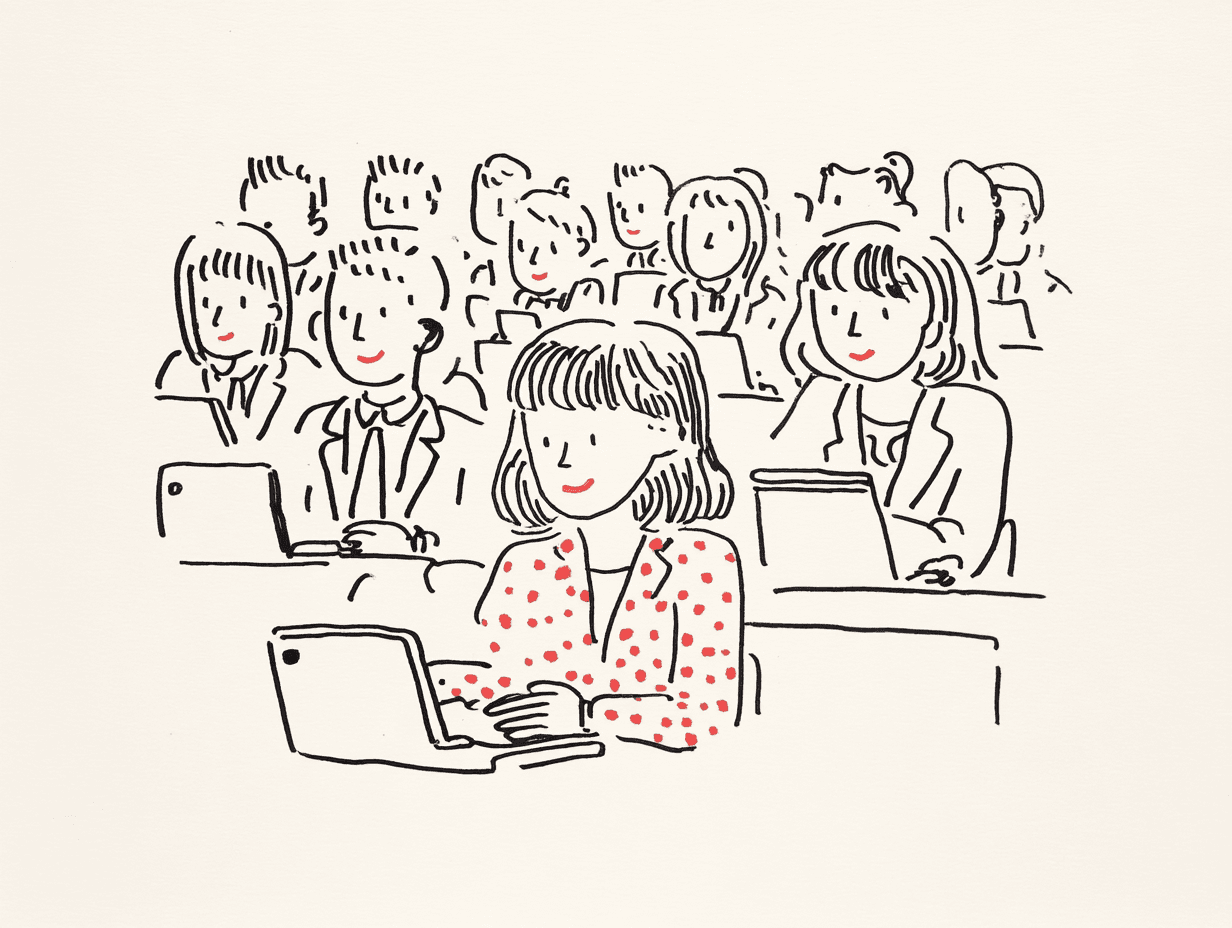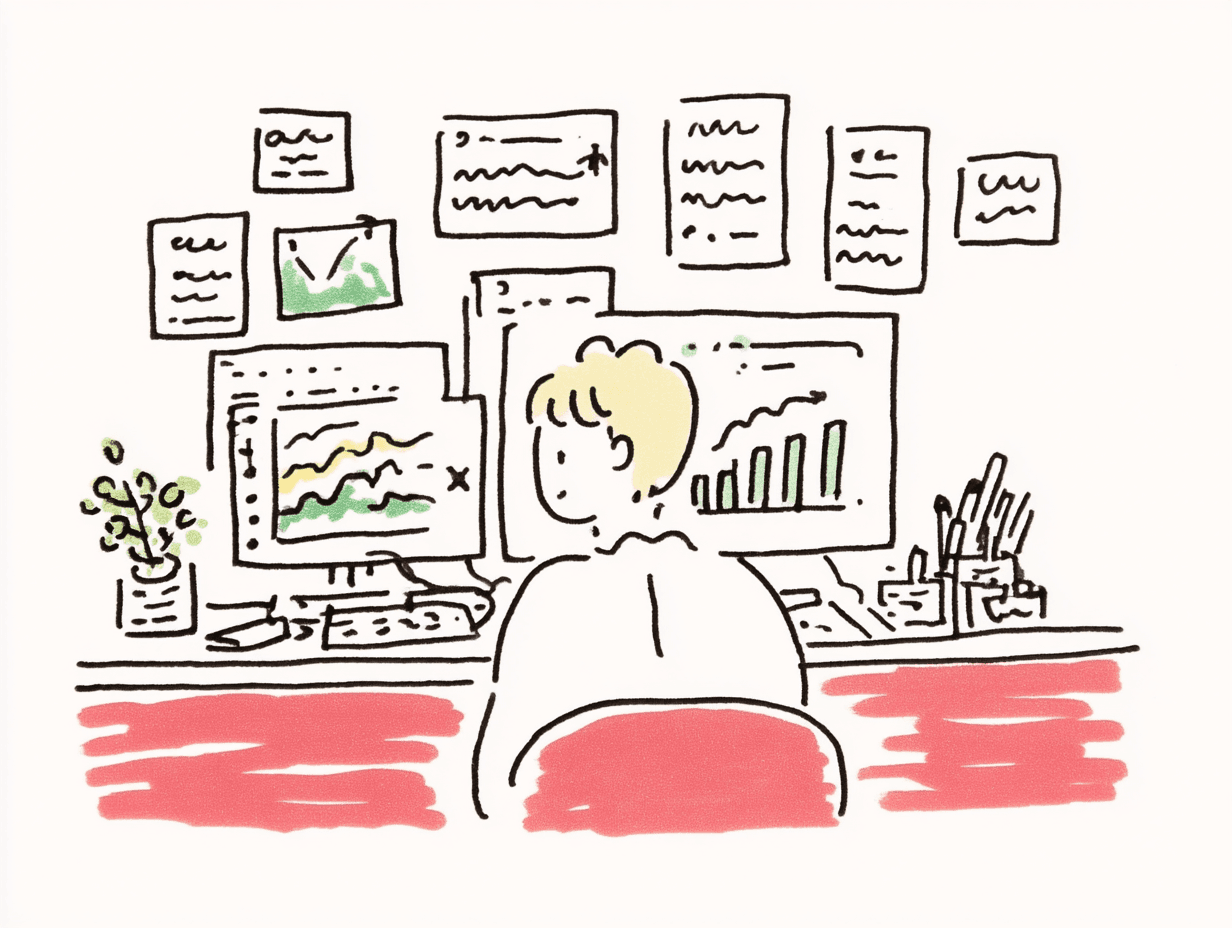


The hiring world is facing its biggest transparency test ever as Gen Z — the digital natives — enters the workforce. Although this generation was born into technology, they take a remarkably selective and critical stance toward AI tools used in hiring processes. While companies chase efficiency, candidates expect "a fair game" and "cards on the table." Recent research lays bare the fact that this new generation demands not just speed from AI, but an ethical stance and clarity.
Transparency is no longer optional — it's a trust signal
How candidates perceive a company starts taking shape from the very first second of the interview. The thesis titled "The effects of artificial intelligence on shaping employer brand perception" by Nicole Jurado (2025) highlights that candidates view the balance between AI and human interaction as the most important indicator of a company's culture. According to this research, companies that are transparent about their AI usage and explain the process upfront project a much stronger employer brand image.
On the other hand, opaque processes create deep distrust among candidates. A recent survey by Gartner (2026) shows that only 26% of job seekers trust AI to evaluate them fairly. This proves just how critical it is for companies to openly disclose why they use AI and what criteria these systems use for scoring.
Can AI actually break biases?
The "Voice AI in Firms" field experiment by Brian Jabarian and Luca Henkel (2026), covering 70,000 candidates, shows that AI voice interviewers increased job offer rates by 12%. The same study reports that candidates selected through AI had 17% higher retention rates in the first 30 days.
Zhisheng Chen (2023) notes that AI-powered processes can reduce gender- and race-based discrimination reports, but only when trained on unbiased datasets.
The fine line between anxiety and human touch
Poenaru and Diaconescu (2025) emphasize that anxiety toward AI increases candidates' expectations for human oversight and transparency.
Sakib and team (2018/2024) find that when candidates are provided with answer-editing rights, feedback, and system transparency, they perceive the process as fairer.
A fairness and transparency roadmap for companies
Nicole Jurado (2025) argues that human oversight must be present at the final stage of the interview.
According to Microsoft data, 80% of Gen Z prefers to apply to companies that support neurodiversity.
Conclusion: A hybrid future
Transparent, auditable, and human-supported AI models stand out as the primary path to earning Gen Z's trust.
References
Chen, Z. (2023). Ethics and discrimination in artificial intelligence-enabled recruitment practices. Jabarian, B., & Henkel, L. (2026). Voice AI in Firms. Jurado, N. (2025). Employer brand perception and AI. Poenaru, L. F., & Diaconescu, V. (2025). Gen Z's Take on AI in Hiring. Sakib, M. N., et al. (2018/2024). AI-mediated Hiring Systems. Gartner. (2026). Survey on AI fairness perception. Microsoft. Neurodiversity Program Report. Chopra, F., & Haaland, I. (2024). Qualitative Interviews with AI. Lee, B. C., & Kim, B. Y. (2021). AI-based interview systems.