

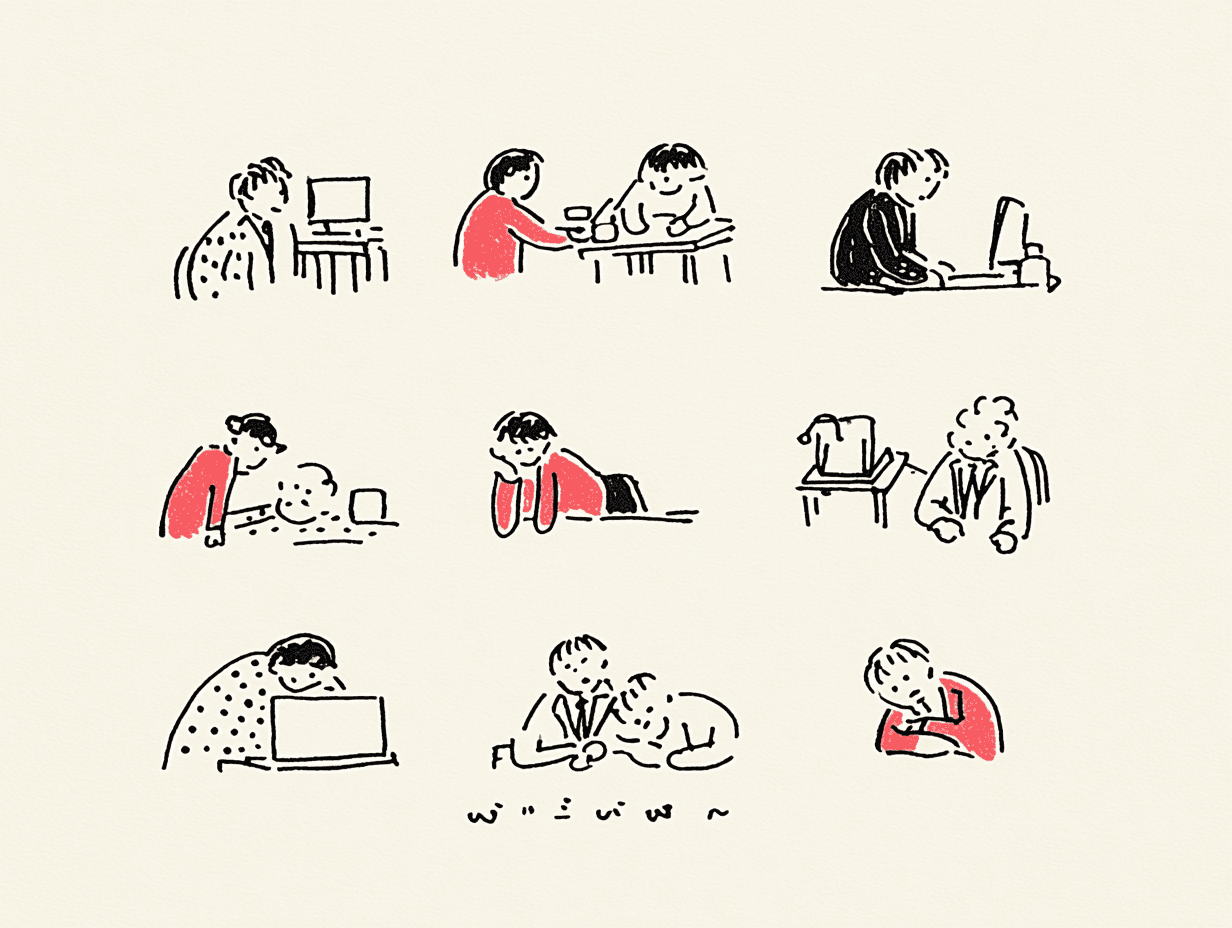
In shift-based manufacturing, strong performance comes not only from technical knowledge but from the ability to manage your biological rhythm. As sleep irregularity increases, so do lapses in attention, slower reaction times, and workplace safety risks. With the right routine, this cycle can be brought largely under control.
Why shift schedules can reduce performance
The human body operates on a rhythm aligned with daylight. Night shifts or frequent shift rotations disrupt this rhythm.
- Sleep duration shortens and deep sleep decreases
- Attention and decision quality drop, especially toward the end of a shift
- Caffeine and irregular eating make it harder to fall asleep
- Over the long term, fatigue accumulates and error risk increases
Sleep strategies by shift type
The same solution does not work for every shift pattern.
-
Night shift After your shift, aim to fall asleep within 90-120 minutes of arriving home. Darken the room and minimize noise.
-
Early morning shift Reduce screen exposure the night before and move your bedtime 45-60 minutes earlier.
-
Rotating shift On transition days, use short naps (20-30 minutes) and controlled light exposure to prepare your body for the new schedule.
5 practical rules for energy management
- Cut off caffeine at least 6 hours before the end of your shift
- Don't load up on heavy, greasy meals before your shift
- Take a short water break every 2-3 hours
- Add brief movement breaks instead of sitting for long stretches
- Establish a "quick wind-down routine" after your shift When you get home, follow a set sequence: shower, light snack, dark environment, and a fixed sleep schedule.
Micro-habits that reduce error risk
In manufacturing, small habits can significantly improve overall safety.
- A 30-second checklist before critical operations
- Clear verbal handoffs during shift changes
- Double-check principle during the final hours
- Two planned short mental breaks during long shifts
- Reporting fatigue to your supervisor instead of trying to hide it
Track your sleep debt accumulation
Most workers only notice their fatigue when performance has already dropped. A simple tracking sheet can reduce this risk.
- Total daily sleep duration
- Energy score upon waking (1-10)
- Time of attention drop during the shift
- End-of-day error or near-miss notes
Even one week of tracking reveals which days carry higher risk.
Conclusion
High performance in shift-based manufacturing requires "smarter routines" rather than "toughing it out." Workers who systematize their sleep, nutrition, and energy management both strengthen workplace safety and build a more sustainable work rhythm over the long term.
SEO-Focused Summary
- The foundation of performance in shift work is a proper sleep routine and fatigue management.
- Caffeine timing, light management, and short break strategies are effective at maintaining attention levels.
- A personal tracking sheet makes it easier to identify high-risk hours and take preventive action.
Frequently Asked Questions
How do you maintain a sleep schedule on night shifts?
A quick wind-down routine after the shift, a dark and isolated sleep environment, and a consistent sleep time window are the three most effective steps.
At what hours does performance typically drop for shift workers?
For many workers, attention drops become more pronounced in the final portion of the shift. This is why a double-check approach during the last hours is beneficial.
Are naps helpful?
Short, controlled 20-30 minute naps, when timed appropriately, can contribute to mental recovery.